South of Midnight
South of Midnight
Gameplay duration: 12.5 hours (no 100%, main story only, normal difficulty)
If you've been around the gaming block for a while, you know there are games you play for the challenge and games you experience for the atmosphere. South of Midnight, the latest effort from Compulsion Games, aggressively belongs to the latter category. I dove into an adventure that promised to be a dark fairytale, discovering a title with a massive heart but a few structural stumbles that are impossible to ignore.
Impressions
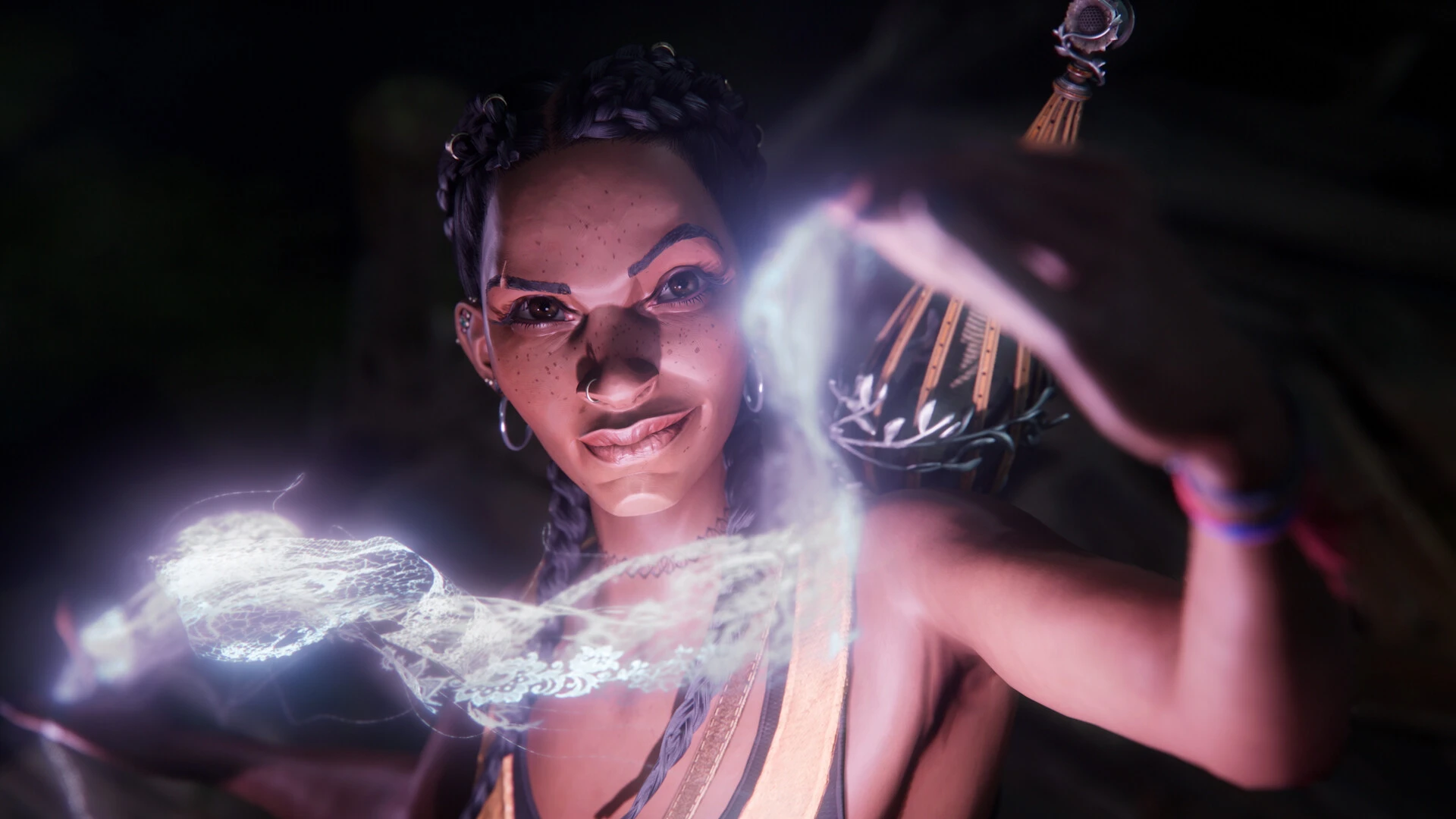
The visual impact of this game is, to put it bluntly, striking. The choice to adopt stop-motion animation gives everything a fairytale style reminiscent of a Tim Burton film, but decidedly more colorful and less gothic, immersing the player in an aesthetic steeped in the folklore of the American Deep South. Complementing this is a highly refined soundtrack, which punctuates emotional moments with rare power.
As a player who appreciates when a game knows how to take its time, I found the controls perfectly serviceable: neither too twitchy nor too sluggish. The story is engaging and hooks you from the very first moments. However, where the art direction reaches absolute heights, the game's true Achilles' heel soon becomes apparent: at times, you get the impression it isn't necessarily building toward a clear destination, especially when the narrative pacing is abruptly broken by combat arenas—an element where the game stumbles heavily.
Gameplay
South of Midnight is a strictly linear, story-focused adventure, where the game world unfolds along on-rails paths embellished with a few detours for exploration. Gameplay dynamics are sharply divided into two macro-sections, with decidedly mixed results.
On one hand, we have extremely fluid and satisfying traversal: our protagonist quickly learns to master double jumps, wall runs, and grappling hooks. The real exploratory treat, however, lies in using magic to weave makeshift gliders to gently soar across the swamps. Venturing off the beaten path rewards observant players with lore documents and, most importantly, "floofs." These glowing orbs are essential for unlocking and upgrading Hazel's abilities via a dedicated skill tree. Yet, as classic as this idea is, the need to meticulously comb the environment for these resources paradoxically ends up breaking the excellent pacing and sense of freedom that the movement system would otherwise provide.
On the other hand, there are the inevitable combat encounters. Hazel is a "Weaver," and to defend herself, she doesn't use conventional weapons but relies on spells that allow her to push, pull, and immobilize adversaries. It’s an environmental manipulation that, in some ways, recalls a Jedi's use of the Force. Conceptually, combat is designed to be non-lethal and restorative: Hazel weakens the creatures to then "Unravel" their darkness through a spectacular finishing move that purifies the area. Unfortunately, while the narrative idea works beautifully, with a controller in hand, the mechanics feel quite repetitive. Clashes take place in highly telegraphed, enclosed arenas: you enter an area, dodge, and attack waves of identical enemies, without any coherent spike in difficulty. Especially towards the late game, these brawls turn into a tedious mechanical roadblock standing between you and the next (and far more interesting) piece of the plot.
Story
Hazel and her mother, Lacey, live in Prospero, a fictional, decaying town in the American Deep South that once thrived thanks to the logging industry. At the start of our playthrough, the area is struck by a devastating Category 5 hurricane. Things go south fast: the storm's fury sweeps away the family trailer with her mother still inside, forcing Hazel on a desperate journey to save her and put the pieces of her own life back together.
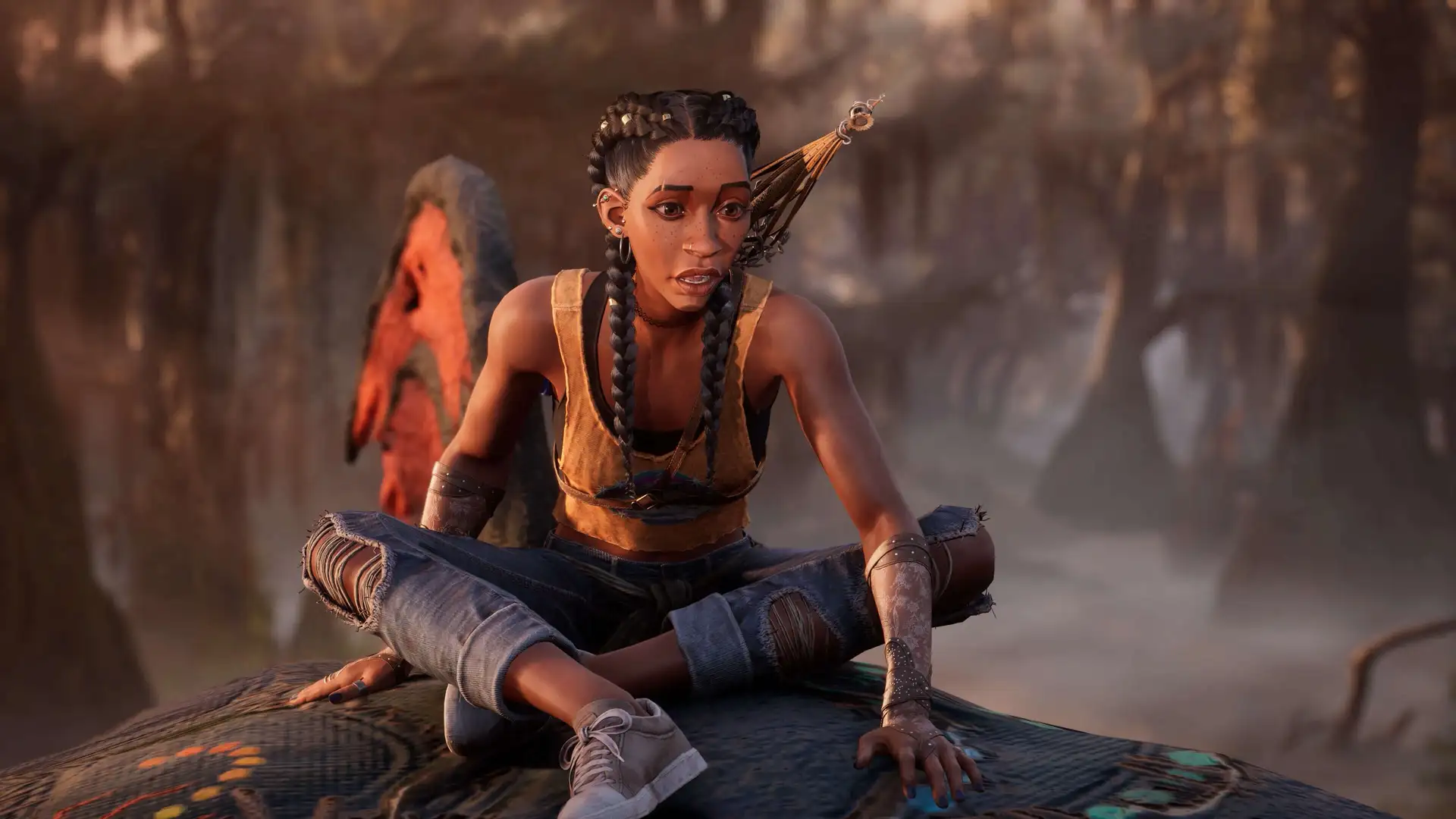
It's in this surreal, post-apocalyptic scenario that the spiritual world of the South opens up before her. Hazel discovers she is a Weaver, a mystical figure capable of perceiving and manipulating the "Grand Tapestry," the magical weave that makes up the very fabric of reality. Along her path, she clashes with "Haints," monstrosities born from a red corruption called the "Stigma." This substance is nothing more than the physical, grotesque, and viscous manifestation of repressed trauma, collective grief, and unhealed emotional wounds.
The narrative fully embraces its dark fairytale nature: each chapter is framed like an actual storybook, complete with a narrator guiding the player's experience. Hazel's adventure thus proceeds in self-contained episodes, leading her to use her powers to heal creatures drawn heavily from real American folklore (from colossal talking catfish to beasts like the Rougarou or the legendary Two-Toed Tom). Yet, beneath this colorful and fascinating mythological veneer, South of Midnight isn't afraid to get its hands dirty. The game uses the creatures and memories we encounter to explore universal themes—like grief, trauma processing, and the region's dark past—with extreme delicacy and maturity, digging into the historical tragedies of discrimination, poverty, and slavery. It's this beating heart that makes Hazel's journey not just a physical quest, but a long, touching path toward acceptance and healing.
Industry Reception
Exploring various analyses, sources, and hanging around a few forums, the reception of South of Midnight aligns closely with the structural flaws highlighted above, generating a rather polarized debate within the community.
The main target of global criticism is undoubtedly the combat system. Many reviewers have pointed out how these continuous, mandatory action sequences drag down an otherwise splendid experience, calling them tedious and lacking any real bite. Complaints center around a lack of enemy variety and a strong sense of disconnect between the beautiful, emotionally resonant scenes and the subsequent need to compulsively mash buttons in an arena to clear it.
Another recurring critique involves a certain amount of "hand-holding" in the level design. The game tends to suggest the path forward a bit too explicitly, limiting the genuine satisfaction of discovery and environmental puzzle-solving. Nevertheless, while admitting that as a "pure video game" it lacks mechanical depth, almost everyone agrees that the incredible stop-motion visual impact, the warmth of the script, and one of the best soundtracks in the genre manage to save the production, making it a must-play experience for anyone seeking an auteur narrative.