Solasta 2 (Early Access): Much More Than a Spiritual Successor
Solasta 2 (Early Access): Much More Than a Spiritual Successor
A title that has been well-received so far, largely for carrying the spiritual torch of Baldur's Gate 3. This comparison stems not only from their shared Dungeons & Dragons ruleset, but also from the overall world design, mechanics, and gameplay loop.
Solasta 2 launched in Early Access on March 12, 2026, complete with a 10% launch discount (valid until March 26). I went in blind, having never played Tactical Adventures' first chapter, but I let myself be swayed by the rumors claiming it was "a new Baldur's Gate 3." And honestly, that initial feeling is definitely there. Hearing familiar voices from Larian's masterpiece (like Lae'zel's and the iconic Narrator's), paired with the return of virtual dice rolls before taking actions in combat or exploration, immediately rekindles that specific cRPG spark.
However, directly comparing the two would be both unfair and fundamentally wrong. We are looking at a game with its own distinct soul, and more importantly, one currently in Early Access, suffering from the inevitable growing pains of an unfinished build.
Technical Impact and First Steps
Being entirely unfamiliar with the original Solasta: Crown of the Magister, I did my homework: the predecessor was a beloved indie gem, praised for its excellent tactical combat but heavily criticized for its rather unpolished graphics and voice acting. Solasta II, on the other hand, has made a massive leap forward. It now utilizes Unreal Engine 5, features motion-captured animations, and boasts a high-profile voice cast.
Despite this glow-up, my very first impression was a bit underwhelming. The main menu felt slightly clunky, and it quickly became apparent that the character creator fails to do justice to the new graphical engine's potential.
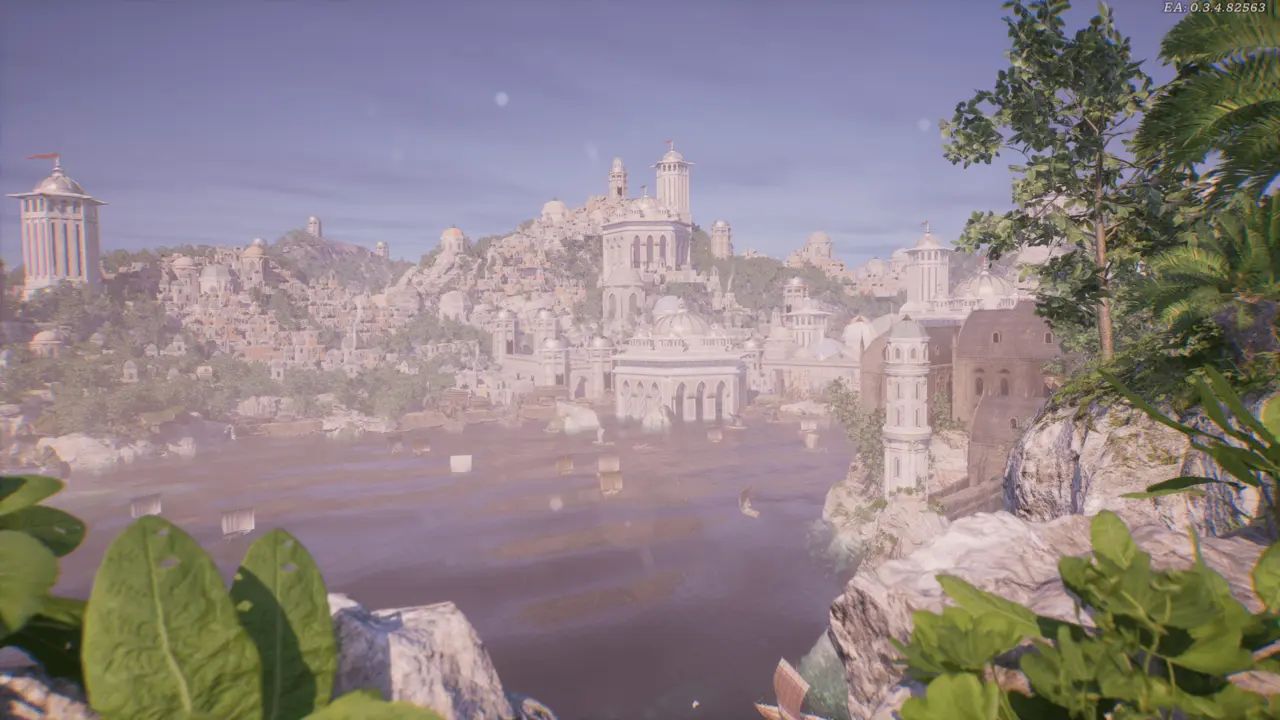
Setting aside some visual hiccups—like completely random camera cuts to irrelevant parts of the map during dialogue, or abrupt day/night transitions triggered simply by entering a building—Unreal Engine 5 still manages to deliver enjoyable vistas, respectable landscapes, and an acceptable level of detail during close-ups.
The Story: A Family Affair
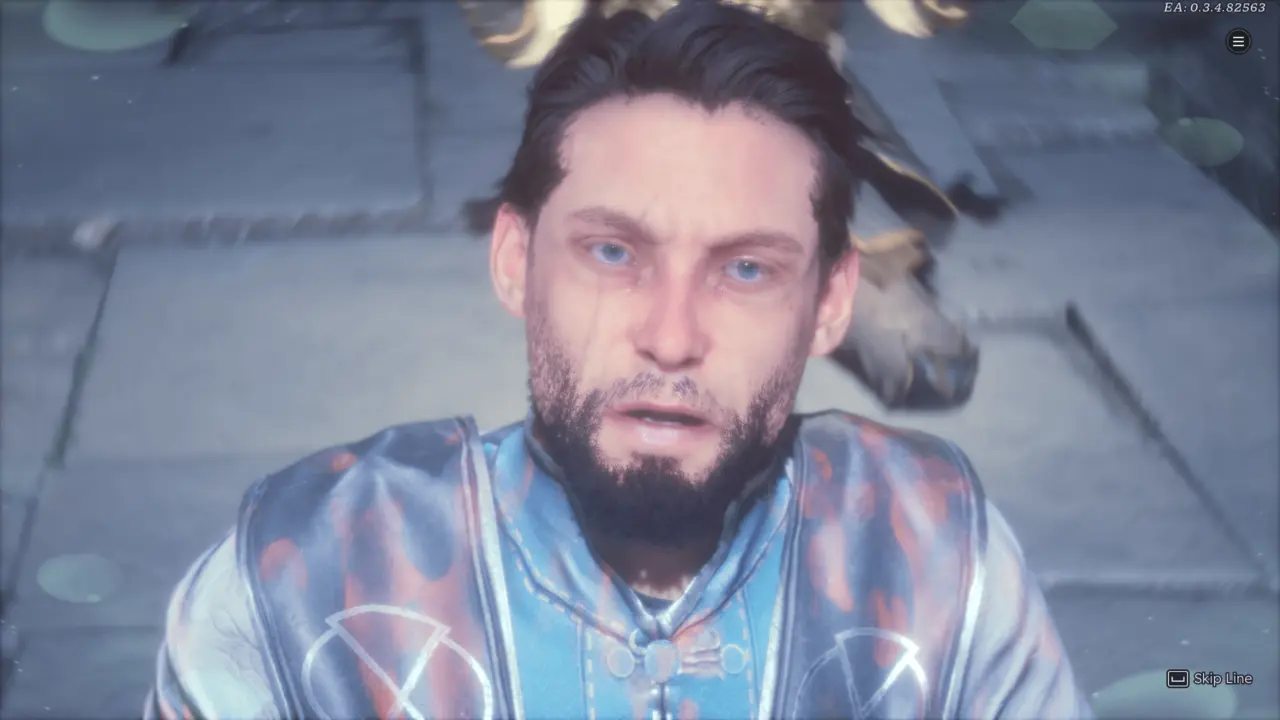
Unlike the classic trope of "a party of strangers meeting in a tavern," Solasta II offers an intimate opening. We play as a family of four adopted siblings, the Colwalls. Raised in an orphanage in the picturesque village of Tor Wen, the four reunite for a somber occasion: attending the funeral of their adoptive mother, Ma Hin.
Things go south almost immediately. High tensions flare during the ceremony with the deceased's biological daughter, Deorcas. Amidst this climate of grief and resentment, a dark ritual is triggered, awakening a lethal threat to the entire continent of Neokos. Through a mystical vision, we discover we are bound to an unfulfilled sacred pact left behind by our mother; we are branded and burdened with the heavy task of halting the advance of Shadwyn, an ancient and enigmatic dark force. From here, our journey into the unknown begins.
Moving through the early stages of the game, I noticed the writing can be a mixed bag. Some dialogues felt a bit awkward: occasionally, it's hard to grasp the characters' true intentions or the intended tone of the conversation, and certain expository sequences drag on a bit too long. Furthermore, I would have loved to see a mechanic for reading books and documents in the world to delve into the lore; right now, it's unclear whether this feature is planned for the future or simply missing from this early build.
The Core of the Game: Faithful Rules and Mechanics
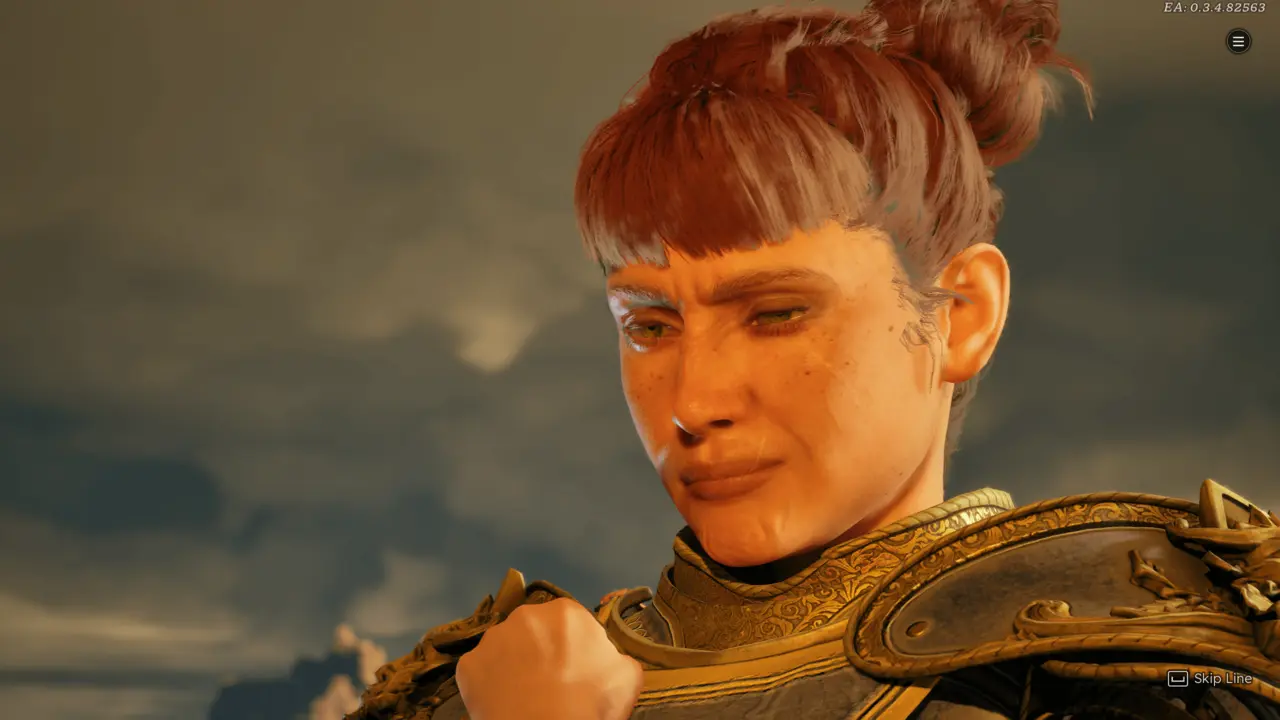
Solasta is famous for being "more D&D than D&D." While other titles take broad creative liberties for the sake of cinematic spectacle, Solasta II is built almost strictly on the SRD 5.2 ruleset (the 2024 revision of Dungeons & Dragons).
This strict fidelity applies to everything, starting with movement. Players navigate on two different planes: a macro-map for long journeys (divided into explorable nodes that consume resources) and the local tactical map of your current zone. Environmental exploration is deeply tied to the die (the good old d20). If you enter an ancient ruin, the party performs background knowledge checks; if you approach a chest, a successful perception check might save you from a deadly trap.
In combat, the turn-based structure is rigid but highly rewarding. Each character has a movement action, a main action (attack, cast spells, use items), and a potential bonus action. Once options are exhausted, the turn ends. For magic classes, there is no traditional "mana bar"; instead, you rely on classic Spell Slots. Once depleted, the only way to recover them (and heal major wounds) is by taking a Short or Long Rest, which consumes rations.
Not being a hardcore tabletop player, I really appreciated the adjustable difficulty. The game allows you to lower the challenge without completely watering down the experience, providing a generous tutorial and dynamic hints for newcomers to these mechanics.
Critiques: Early Access Growing Pains
As mentioned earlier, judging an incomplete game requires caution, but it's important to highlight the issues currently being raised by both my own playthrough and the broader community.
First and foremost, technical stability is the biggest hurdle. Across forum discussions and early gameplay videos, the most frequent complaints revolve around persistent bugs, frustratingly sudden crashes, and excessive loading times. Some of these technical glitches aren't merely cosmetic; in certain cases, they actively block quest progression—a flaw that would be unforgivable in a full release.
Another major pain point, widely debated on platforms like Reddit, is the Character Creator. Despite the power of Unreal Engine 5, the creation tool feels weak and limited. Players struggle to design faces that don't fall deep into the "uncanny valley." A lack of specific gender trait options has also caused frustration, often resulting in male characters with overly androgynous features or unnatural proportions, which breaks early immersion.
We also have to address the game's current scope. As highlighted by several gaming outlets, the launch package is still quite restrictive. At the moment, the game only includes 6 of the 12 planned classes, the level cap is hard-locked at level 4, and the highly anticipated co-op multiplayer is entirely missing. Many of the "mixed" reviews stem from the feeling of paying for an experience that simply lacks breathing room right now.
Finally, the narrative hasn't won everyone over. While the premise of playing a pre-established family of orphans is a fresh take for the genre, the script feels a bit too basic for some. The integration of certain NPCs and the exposition of the game's lore seem to drag down the pacing without adding genuine depth, making the narrative feel like a mere backdrop to the much stronger tactical combat.