1348: Ex Voto
1348: Ex Voto
Sedleo's debut title takes us to a medieval Italy ravaged by the plague. Amid obvious technical limitations and preposterous community backlash, it remains a rough but highly atmospheric adventure.
Impressions
Coming off the back of my experience with Crimson Desert—which, at launch, proved to be an absolute disaster for my AMD setup despite a high-end desktop build—1348: Ex Voto was a pleasant surprise. Priced at under €20, this indie title boots up and runs beautifully, at least a few days post-launch.
For a budget price point, the visual output of this game satisfied me far more than the €70 spent on Pearl Abyss's work, especially considering the massive expectations and pre-release promises the latter had set. This discrepancy really made me reflect on how a vocal subset of the gaming community tends to lose all rationality the moment they spot a specific narrative element (which I won't name to avoid spoilers), triggering completely disproportionate reactions.
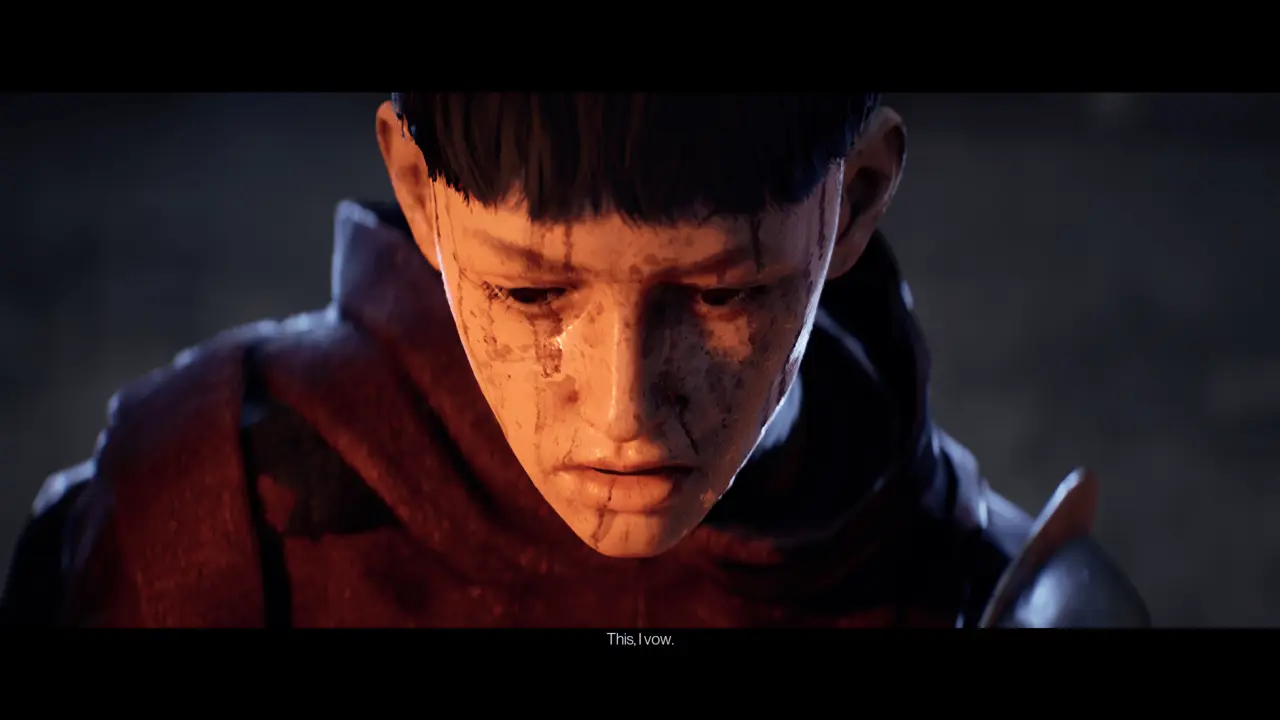
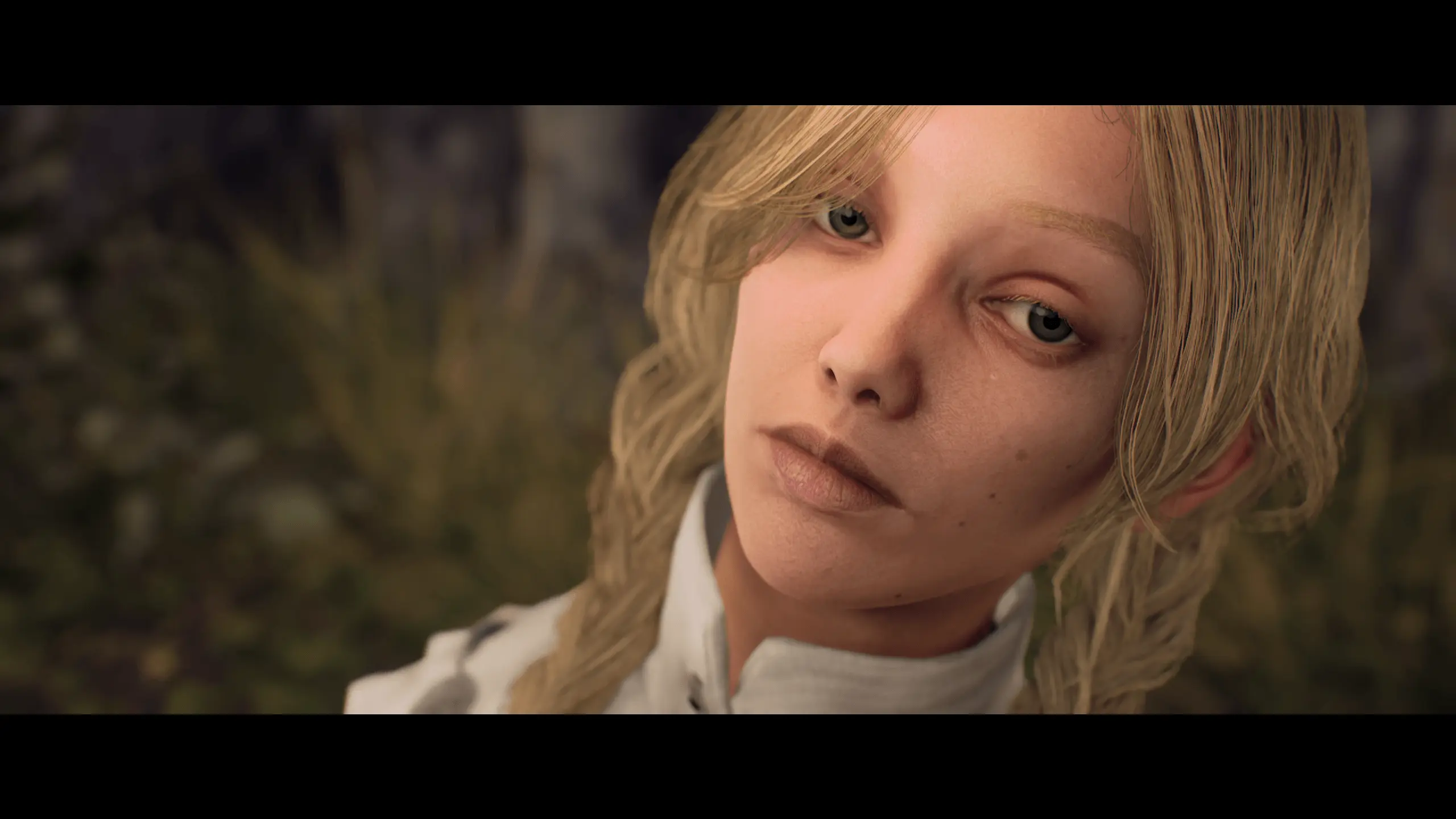
Visually speaking, there is naturally some undeniable jank. During dialogues, facial expressions often slip into the uncanny valley, and the animation quality is limited, with involuntary triggers occasionally breaking immersion. Moreover, in some instances, dialogue lines and subtitles ended up overlapping during cutscenes (a nuisance that thankfully seems to be getting patched out).
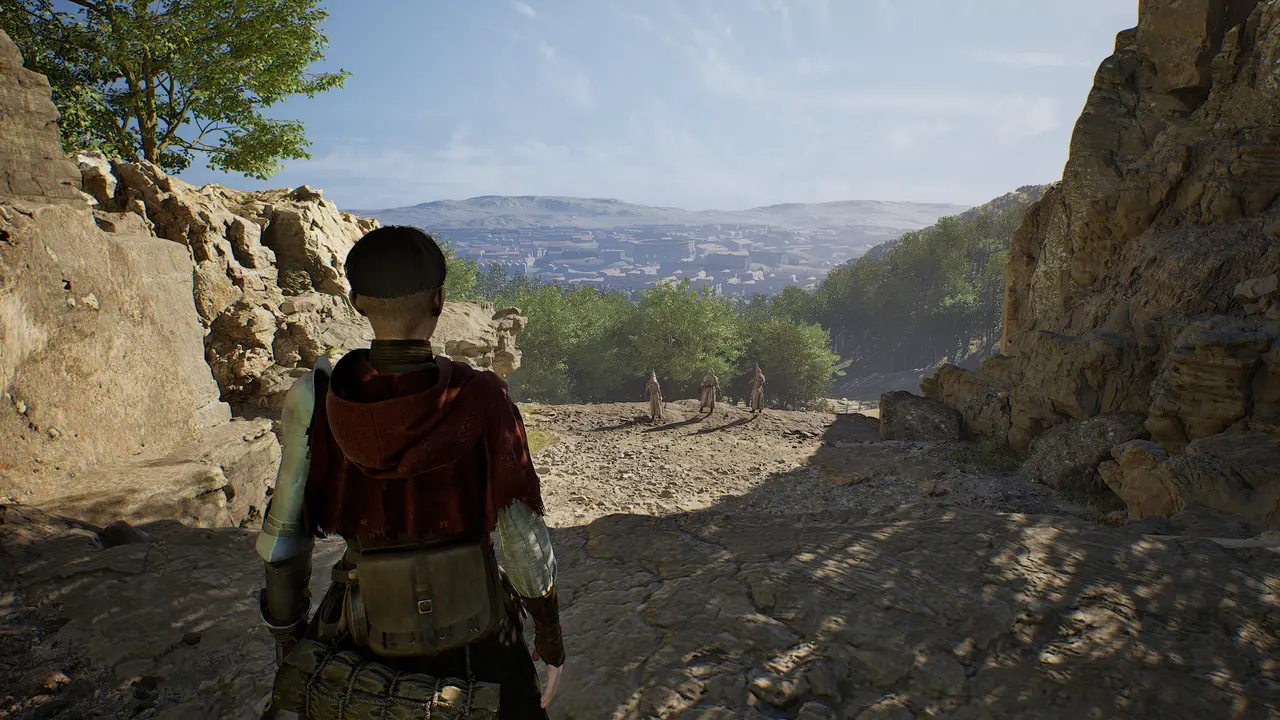
The real crown jewel of this production, published by Dear Villagers, is its art direction. The rural landscapes and mountain passes of medieval Italy are striking. The team makes excellent use of Unreal Engine 5, leveraging well-crafted skyboxes and optimization techniques to guarantee an impressive draw distance. Considering Sedleo is a small Italian studio, the game doesn't arrogantly aim for absolute photorealism; instead, it pieces together a series of visual suggestions that, both culturally and stylistically, work wonderfully.
In its opening hours, the game thrusts us into a classic chivalric quest: a desperate search toward an apparently unreachable goal. The setting is 1348 Italy, devastated by the Black Death. The journey takes us through various regions, including Tuscany and the outskirts of Rome, forcing us to carve a path through the violence, fragility, and suffering of an unstoppable epidemic, surrounded by bandits and out-of-control religious fanatics.
Gameplay Mechanics

Many have ironically labeled it a walking simulator or a mere scenic tech demo. Irony aside, the title indeed lacks heavily layered mechanics: exploration isn't open but confined to linear levels, giving off distinct A Plague Tale vibes. The only allowed detours serve to gather collectibles (treasures and accessories that grant combat buffs), food rations for healing, and skill manuals, which are essential for unlocking new combos in a dedicated menu.
The combat system, heavily inspired by Historical European Martial Arts (HEMA), revolves entirely around the use of a single sword that stays with us until the end credits. The moveset is basic but requires a methodical approach: a light attack, a heavy attack, and a two-handed stance for more lethal blows, all stringable into combos if executed with the right timing. There is a lock-on system that narrows the camera onto the protagonist, but this mechanic often proved clunky. The inability to seamlessly switch targets leaves you wide open to sudden attacks from off-screen enemies, making encounters feel overly stiff and unnecessarily punishing, as you simply lack the technical time to raise your guard.
Story
The protagonist is Aeta, a young knight from the lands of Citra. The opening sees her in the company of Bianca, a childhood friend with whom she shares complex social dynamics. During a sparring session, the hammering sound of the village bells shatters the peace: the alarm has been raised, and Aeta’s thoughts immediately turn to the villagers and, above all, to Bianca.
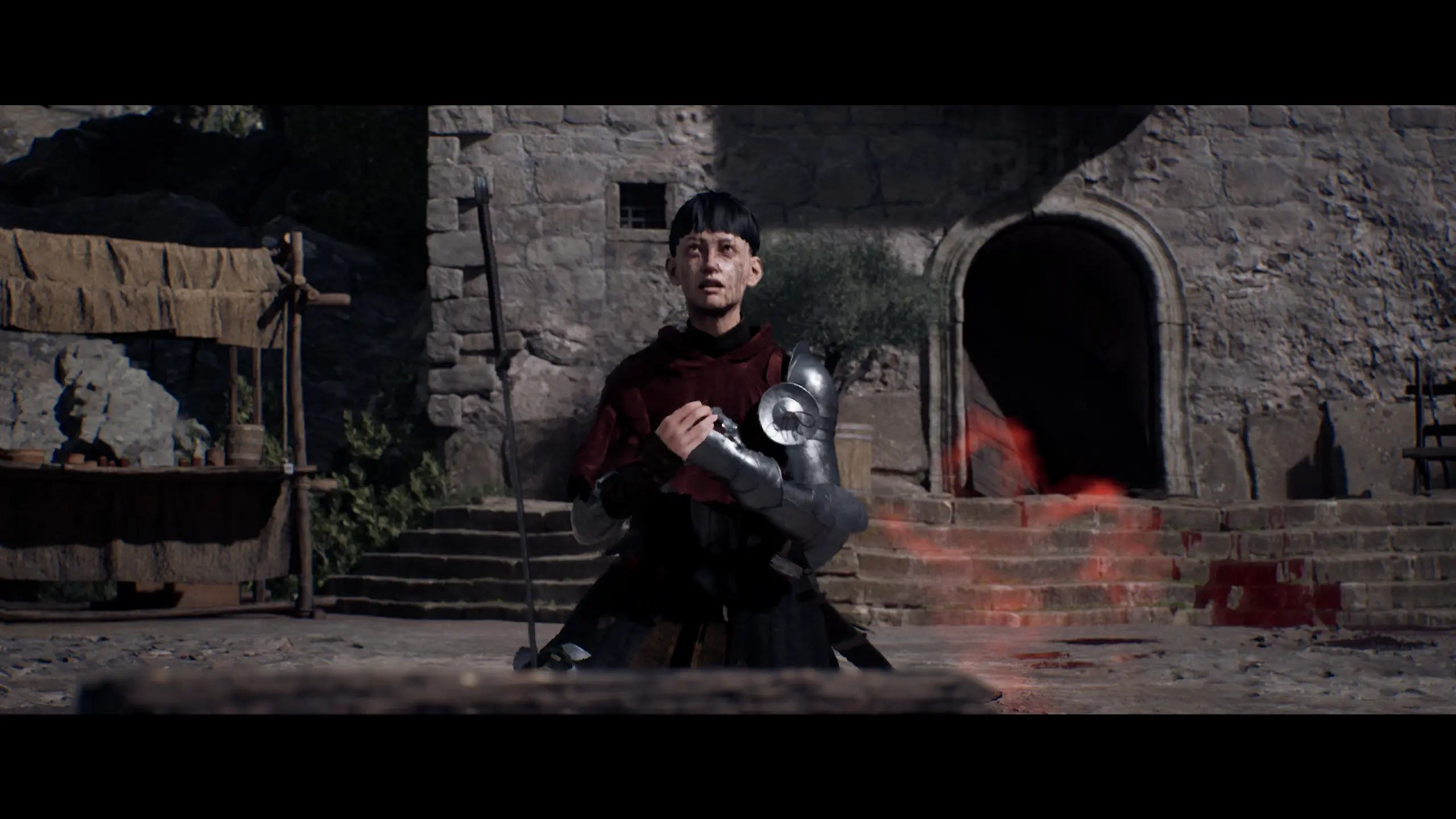
Upon arriving at the scene, the situation is bleak: bandits have already sown death and destruction. After clearing the streets of the few survivors, there is no trace of Bianca. Amidst the flames, Aeta only finds her Ex Voto (a traditional religious symbol left in a sacred place as a sign of faith).
It is at that moment that the protagonist swears a solemn oath of vengeance and rescue ("Bianca, you are all I have left... I will save you, I swear"), kicking off a tortuous journey. The plot navigates one of the deepest crisis points in medieval Europe: an Italy decimated not only by disease but also by a profound spiritual fracture that bleeds into extreme fanaticism. The game bluntly depicts how the country is torn apart both by the desperation of those trying to survive and the greed of those exploiting the chaos for power. Amidst all this stands the stoicism of a knight who, true to her honor, realizes the price of her oath might be far higher than the promise she made.
The Elephant in the Room: Technical Critiques and Ideological Drifts
Following this title's post-launch led me to dig deeper into the community and critical reception, bringing me face-to-face with a deeply fractured landscape. On one hand, there are legitimate critiques raised by the specialized press regarding the purely technical side: several outlets noted how the occasionally rough animations make the combat system feel clunky, resulting in a poor sense of feedback. It was also pointed out how the narrative sometimes suffers from omissions or clumsy visual editing, clear byproducts of budget and time constraints. These are tangible flaws that, however, can be overlooked given the game's budget-friendly price point.
On the other hand, however, there is the sad phenomenon of the public's ideological blindness. While I completely understand the physiological fatigue regarding the forced insertion of political agendas into video games, the hysteria unleashed around 1348: Ex Voto is entirely off the charts. Many refused to evaluate the game on its own merits, preemptively accusing it of being a vessel for forced feminism and LGBTQ+ themes.
The situation bordered on the surreal when the team was attacked on social media merely for trying to peacefully explain the mechanics of the video game Tax Credit (a standard state tax rebate for production costs in Italy). For an extremist fringe of gamers, this standard fiscal maneuver became "irrefutable proof" of a political conspiracy to fund woke ideology with taxpayers' money. Despite the developers reiterating their desire to tell their story freely and without outside imposition, the internet's kangaroo court delivered its verdict, branding the game as woke slop.
Without delving into spoilers, the game does feature a strong female presence at its core. It doesn't claim to paint a millimeter-perfect historical reality, but uses the context to explore specific personal dynamics. Personally, I have harshly criticized the extreme ideologization of highly anticipated titles in the past (such as Dragon Age: The Veilguard), but I don't see the slightest intent here to sacrifice the video game on the altar of activism. Whether the bond between Aeta and Bianca is a deep friendship or a romance is never even intrusively spelled out; yet, stadium-like tribalism has invalidated the team's work not for its actual technical shortcomings, but for an alleged political matrix that eclipses everything else in the eyes of those who only tolerate very specific aesthetic representations.
In my own personal playthrough, I can easily admit to having encountered objective issues: lacking animations, a combat system in need of more polish, and some textures popping in with significant delay. However, if you simply want to play a fascinating, dark, and atmospheric adventure without having to navigate through the gossip or the toxicity of those shouting "conspiracy" at all costs, 1348: Ex Voto absolutely deserves your attention.